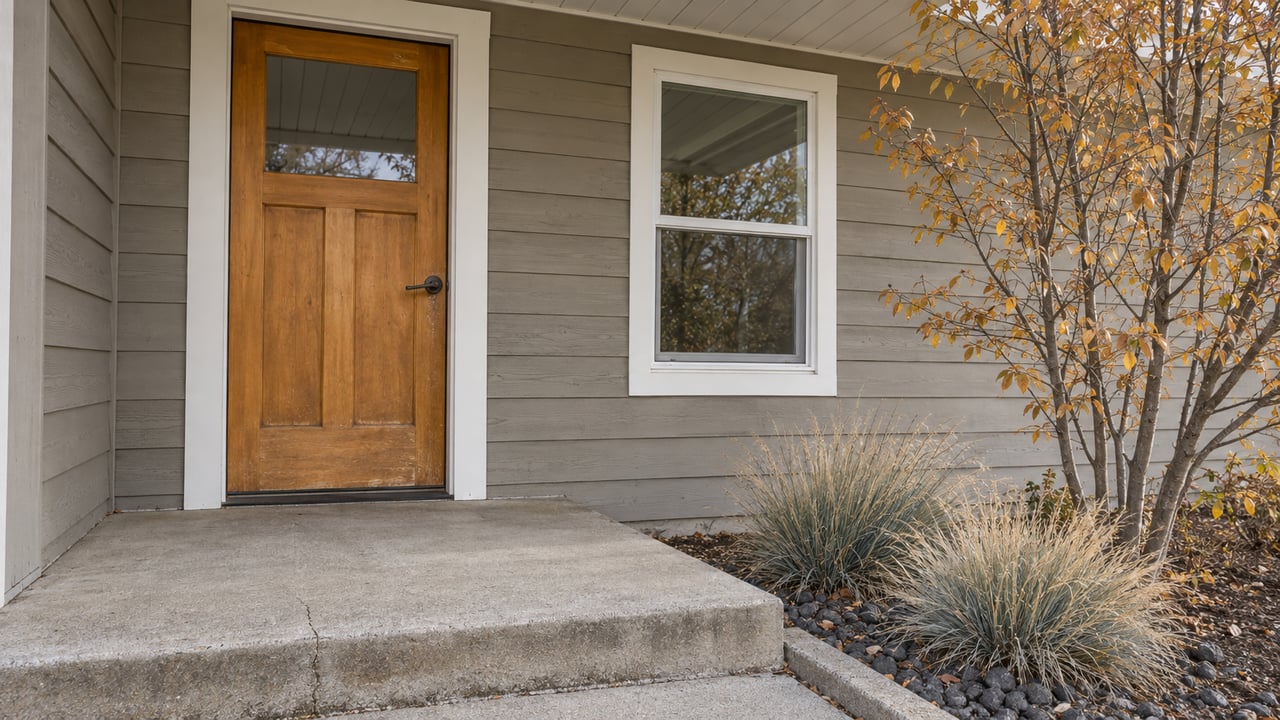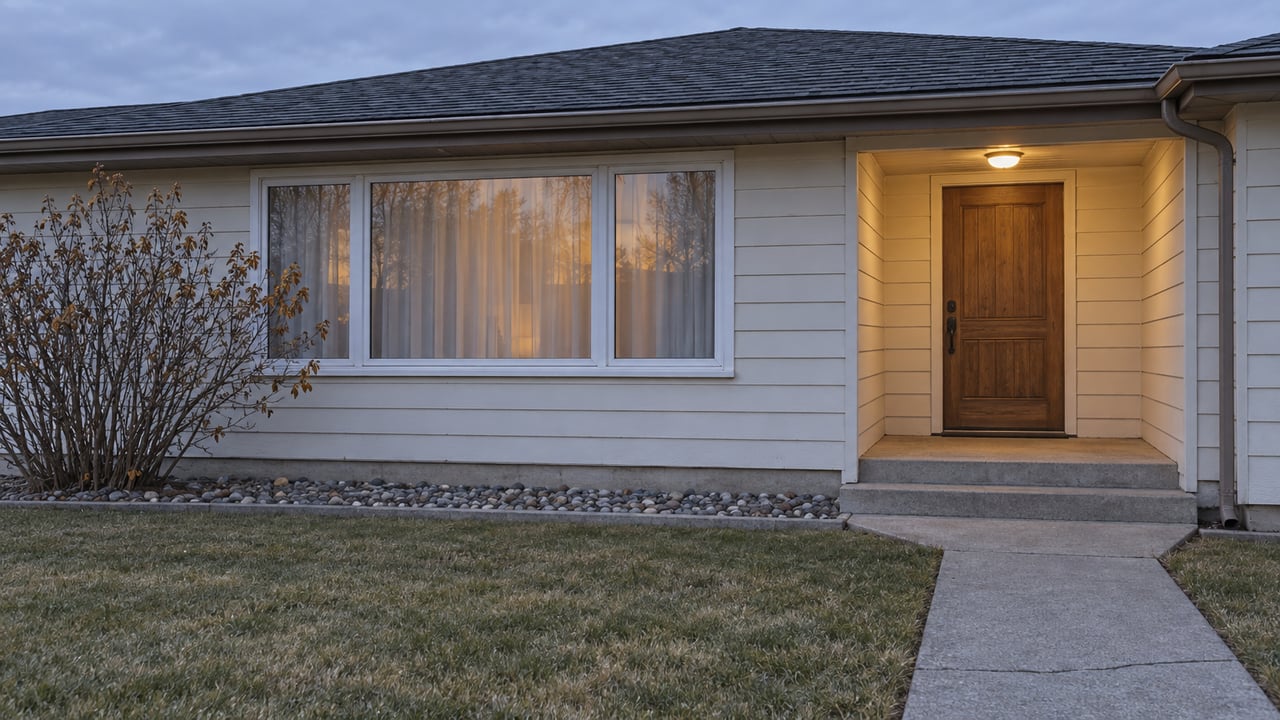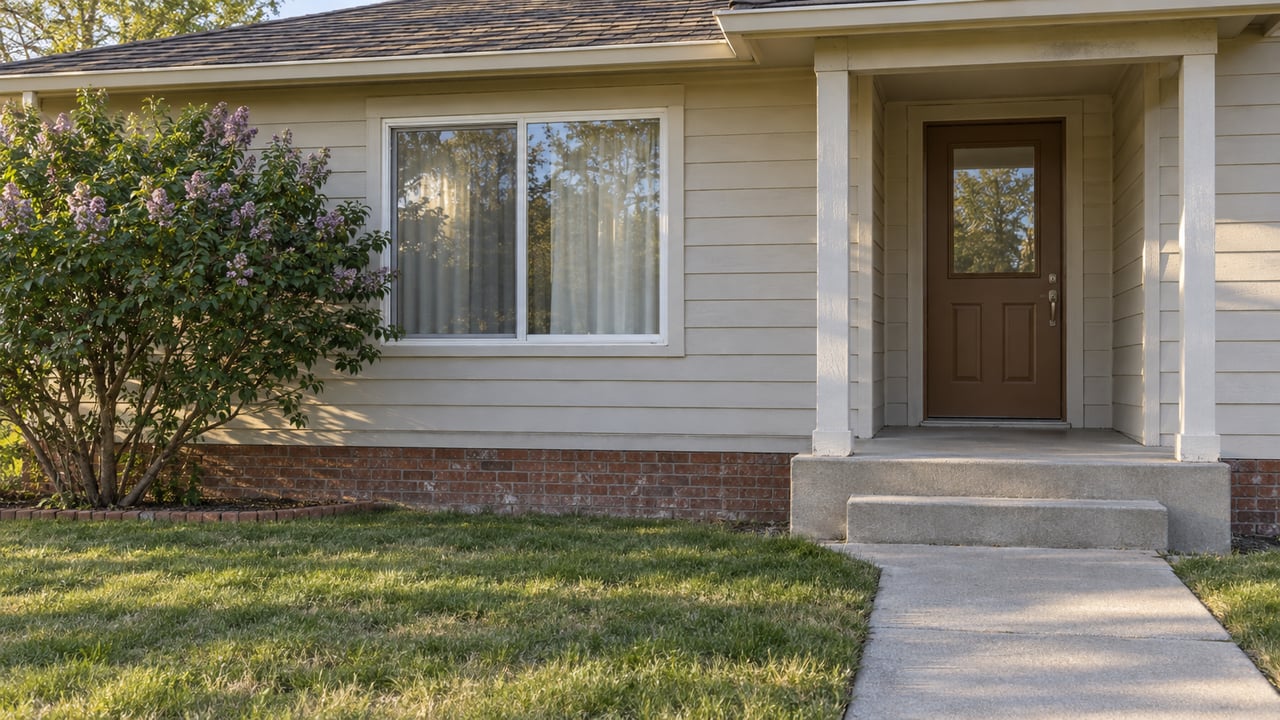
If you are thinking about buying a home or land in Glenns Ferry, the first big question is not just what you want to buy. It is whether the property can actually support your plans. From city utilities and zoning rules to road access, wells, septic, and financing, a little early research can save you time, money, and stress. This guide walks you through the key things to check before you move forward in Glenns Ferry. Let’s dive in.
Start With the Parcel Location
In Glenns Ferry, the exact parcel location matters more than many buyers expect. A property may be inside city limits, outside city limits, or outside the city but still within the Glenns Ferry Area of City Impact.
That distinction can affect which rules apply to zoning, permitting, and future building plans. Before you get too far into a purchase, make sure you know whether the parcel falls under city rules, county rules, or a coordinated city-county area.
Understand City vs. County Oversight
Inside Glenns Ferry, the city provides water and sewer service. The city also has its own Planning & Zoning Commission and building permit requirements.
City rules state that permits are required before a structure is built, enlarged, altered, repaired, moved, or demolished. If you are looking at a manufactured or modular home, the city also requires it to be placed on a permanent foundation.
For unincorporated land, Elmore County’s Land Use and Building Department handles planning, zoning, permits, ordinances, and flood control. The county says all applications begin with a zoning permit, and pre-application meetings are strongly encouraged.
Some county actions involve additional review. That can include subdivisions, variances, conditional uses, and zoning map changes, so it helps to know early if your plans might trigger extra steps.
Check Buildability Before You Buy Land
Raw land can be appealing because it gives you flexibility. At the same time, it usually requires more due diligence than buying an existing home.
One of the first things to confirm is whether the parcel is buildable for your intended use. That means looking at zoning, access, utility options, and permit requirements before you close.
If the land is in the county, Elmore County has separate application paths for driveway construction and private roads. The county’s driveway checklist says access improvements must be safe and passable before a building permit is issued, largely so fire and emergency vehicles can reach the site.
That makes legal and usable access a major part of land buying in this area. A parcel may look promising on a map, but access approval can still be a key issue.
Know What Utilities Are Available
For city lots, Glenns Ferry lists city water and sewer as available services. Electric service is provided by Idaho Power, gas by Intermountain Gas, and internet options include CenturyLink or RTI.
For rural acreage or raw land, do not assume those services are already in place. You should verify whether the property has city utility access or whether you will need a private well and septic system.
That difference can affect both your upfront costs and your timeline. It can also shape what type of financing makes sense.
Private Wells and Septic Systems Matter
If a property will need a private well, Idaho DEQ says private wells are not regulated under the Safe Drinking Water Act. That means the owner is responsible for water safety.
Idaho Health and Welfare says about 30% of Idaho residents use private wells. The agency recommends annual bacteria and nitrate testing, along with broader testing every 3 to 5 years.
If the property will need septic, Idaho DEQ says septic systems generally require a permit from a public health district and licensed installation. For a buyer, that means septic is not something to treat as a simple afterthought.
When you are buying land, it helps to ask early whether there has already been any septic evaluation or permitting work. If not, that may become part of your planning process.
Irrigation Can Be Separate From Domestic Water
In Glenns Ferry, irrigation may be a separate issue from standard household water service. The city posts irrigation fees and has an Irrigation Advisory Committee, which suggests irrigation can involve its own billing or ownership considerations.
If a parcel includes irrigation rights or shares, make sure you understand exactly what is being transferred. Water rights and irrigation shares are not always as simple as transferring the deed.
According to IDWR, if a change involves water rights held by an irrigation company or district, the entity’s consent may be required. Transfer paperwork may also require proof of legal access to canals, ditches, or other infrastructure.
Water Rights Rules Changed in 2025
For buyers looking at land with future building or irrigation plans, water use rules matter. IDWR says domestic use can include homes and up to one-half acre of irrigation if total use stays at 13,000 gallons per day or less.
However, subdivisions and some multi-unit or commercial uses fall outside that exemption. Elmore County now tells applicants to obtain IDWR confirmation when a project may need a water right.
This is one reason it helps to think beyond the purchase itself. The right parcel for a single home may not be the right parcel for a more complex future plan.
Financing a Home Is Usually Simpler Than Financing Raw Land
An existing home in Glenns Ferry will often fit more easily into standard mortgage options than a vacant parcel. Programs like USDA, VA, and FHA are generally structured around eligible dwellings used as primary residences, not raw land by itself.
That does not mean land cannot be financed. It means the loan structure is often different.
Research in the report shows vacant land usually does not qualify for conforming loans. Specialty options can include lot loans or construction and construction-to-permanent financing, which may cover the land, permits, labor, and materials tied to the build.
For many buyers, the practical takeaway is simple: if you are buying a move-in-ready or existing home, financing may be more straightforward. If you are buying land, lenders will often want a clearer picture of your access, utilities, and future building plan.
Key Questions to Ask Early
Whether you are buying a home, a lot, or acreage, it helps to get answers to a few basic questions before you commit.
- Is the property inside Glenns Ferry city limits, in the Area of City Impact, or fully in unincorporated county land?
- Does it already have city water and sewer, or will it need a private well and septic system?
- Is road access legal, safe, and buildable?
- Will you need county driveway or private-road approval?
- If irrigation is included, are the rights or shares transferable?
- Does the property fit a standard home loan, or will it require lot or construction financing?
These are not small details. They can affect what you can build, how long approval takes, and how much cash you may need upfront.
Buying in Glenns Ferry With Fewer Surprises
Glenns Ferry can be a great place to buy, whether you want a home in town or land with room to build. The key is making sure the property matches your goals before you are deep into the transaction.
A calm, informed approach goes a long way here. When you review parcel location, zoning, utilities, access, and financing early, you can move forward with more confidence and fewer expensive surprises.
If you are considering a home or land purchase in Glenns Ferry, working with a local agent who communicates clearly and helps you sort through the details can make the process much easier. If you want steady guidance and direct support, Logan Robinson can help you take the next step with clarity.
FAQs
What should you check before buying land in Glenns Ferry?
- You should confirm the parcel location, zoning, legal access, utility options, driveway or road approval needs, and whether the property is buildable for your intended use.
Does Glenns Ferry have city water and sewer?
- Yes, Glenns Ferry lists city water and sewer as city services for properties within town, but rural parcels may need private well and septic systems instead.
Do you need a permit to build in Glenns Ferry?
- Yes, city rules say permits are required before a structure is built, enlarged, altered, repaired, moved, or demolished.
Can land outside Glenns Ferry still be affected by city-related rules?
- Yes, some parcels outside city limits may still fall within the Glenns Ferry Area of City Impact, which can affect how land-use rules are applied.
Is financing raw land in Glenns Ferry different from financing a home?
- Yes, improved homes usually fit standard mortgage channels more easily, while raw land often requires specialty financing such as lot loans or construction-related loan options.
What should you know about wells and septic for Glenns Ferry land?
- If a property uses a private well, the owner is responsible for water safety, and Idaho recommends regular testing. Septic systems generally require a permit through a public health district and licensed installation.