If you are thinking about selling in Glenns Ferry, getting the property truly market-ready can make a real difference. In a market where buyers have options and are comparing condition, access, and paperwork closely, small details can affect how quickly your home moves and how confidently buyers make an offer. The good news is that a smart pre-listing plan can help you reduce surprises, show the property well, and make the sale feel more organized from day one. Let’s dive in.
Why prep matters in Glenns Ferry
Early 2026 market data points to a buyer-leaning environment in Elmore County. Realtor.com reported 354 homes for sale, a 99% sale-to-list ratio, and a median of 41 days on market in March 2026, while Zillow reported 109 listings countywide and 27 median days to pending as of March 31, 2026.
In the 83623 ZIP code, Realtor.com showed 18 homes for sale and a median listing price of $279,999. For you as a seller, that means buyers are more likely to compare properties side by side and pay attention to condition, records, and how easy the property looks to own.
A clean, well-documented listing usually stands out better than one with unfinished projects or unanswered questions. In Glenns Ferry, that is especially true when a property includes acreage, outbuildings, septic, a private well, or irrigation.
Start with the full property
In Glenns Ferry, buyers are not just evaluating the house. They are usually looking at the entire site, including the driveway, fencing, gates, storage areas, outbuildings, and how easy it is to move vehicles, trailers, or equipment around the property.
That means your prep work should begin from the road and continue all the way through the lot. If any part of the site feels hard to access, cluttered, or unclear in purpose, buyers may assume there are hidden maintenance issues or added costs ahead.
Clean up curb appeal first
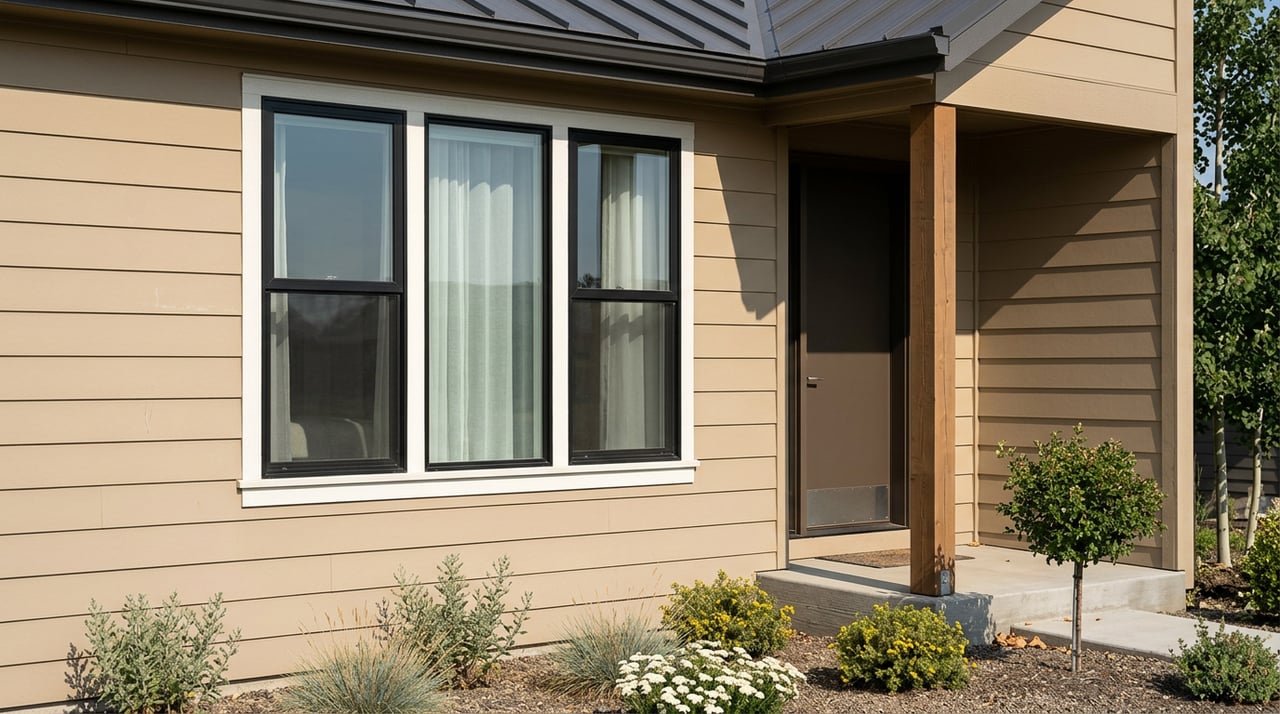
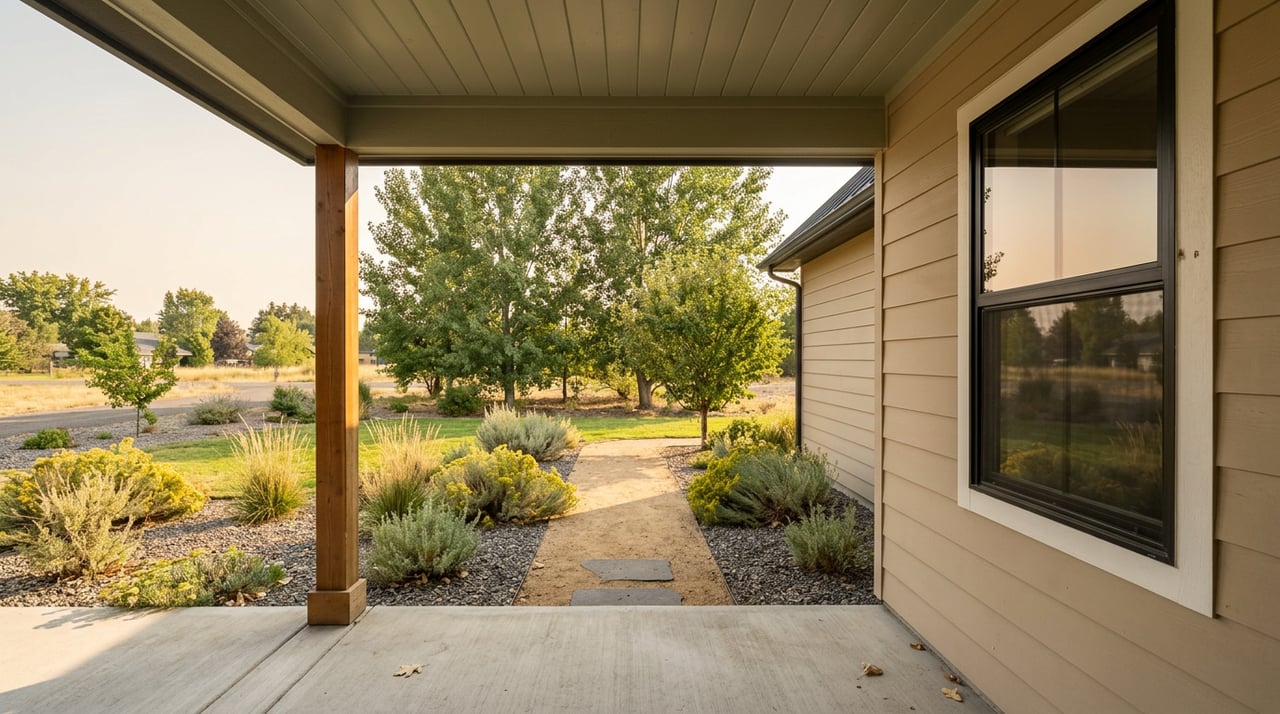
Start with the basics that create a strong first impression:
- Mow or trim overgrown areas
- Remove scrap piles, unused materials, and broken equipment
- Straighten gates and fence lines where possible
- Clear driveways and access points
- Tidy porches, patios, and entry areas
- Store tools, hoses, and loose items neatly
For homes with larger lots, this work matters even more because buyers tend to judge the usability of the land right away. A clean, open exterior helps them picture how they would use the property.
Check drainage and brush
Elmore County’s hazard mitigation plan identifies the Snake River and Little Canyon Creek as the main flood sources affecting Glenns Ferry. It also notes spring runoff and rain-on-snow events as flood triggers.
Before listing, it is smart to walk the property and look for drainage issues, blocked runoff paths, standing water, or brush buildup near structures. Basic cleanup around the home and outbuildings can help the site show better and may reduce buyer concerns about maintenance and seasonal risks.
Verify utilities before showings
Buyers often ask practical utility questions early, especially in smaller communities and on properties with extra land. The City of Glenns Ferry says water and sewer are provided by the city, electricity by Idaho Power, natural gas by Intermountain Gas, and communications by CenturyLink or RTI.
Before photos and showings, verify what serves your property and make sure meter areas are accessible. It also helps to have account details and service information organized so you can answer basic questions clearly.
Utility details to confirm
Have these items ready before you list:
- Whether the property is on city water and sewer or another setup
- Utility provider names for each service
- Locations of meters, shutoffs, or access points if relevant
- Any recent utility updates or service changes
This may seem simple, but clear answers can build buyer confidence fast. When buyers feel that the property is organized, they often approach the rest of their due diligence with less hesitation.
Pay close attention to outbuildings and additions
Outbuildings can add real value in Glenns Ferry, but they can also raise questions if the details are unclear. Local building rules matter here.
Glenns Ferry’s regulations say agricultural buildings are exempt from building codes but still must follow zoning placement rules. The city also says manufactured or modular homes must be on a permanent foundation, and permits are required before constructing, enlarging, altering, repairing, moving, or demolishing a regulated structure.
Elmore County also states that zoning comes first and structures may not be located on easements or rights-of-way. If you have a barn, shed, carport, addition, fence, or other structure that could raise questions, it is worth reviewing that now instead of waiting for a buyer to ask.
What to review before listing
Take a closer look at:
- Barns and sheds
- Carports and detached garages
- Covered patios or enclosed additions
- Manufactured home foundation details
- Fences near property lines
- Structures placed near easements or access areas
If anything seems unclear, start checking early. Elmore County notes that inspections in the Glenns Ferry area are scheduled on Mondays, Wednesdays, and Fridays, and must be booked at least one business day in advance. Glenns Ferry’s Planning and Zoning Commission meets on the first Wednesday of each month, so timing matters if you need clarification.
Build a seller file before the sign goes up
One of the best ways to make your Glenns Ferry property easier to market is to gather records before the listing goes live. In this market, reducing unknowns is part of the marketing itself.
A well-prepared seller file can help with pricing conversations, listing accuracy, buyer questions, and due diligence once you accept an offer. It can also reduce delays if your buyer is on a tight timeline.
Core property records to gather
Start with the basics:
- Parcel number
- Legal description
- Current tax record
- Survey, plat, or map if available
Elmore County’s assessor provides parcel data and address lookup, and the Glenns Ferry assessor office is local. That makes it practical to confirm the record information before your listing is published.
Gather septic records early
If your property is on septic, do not wait until escrow to start searching for paperwork. Buyers often want to know the system type, location, and maintenance history as soon as they start serious due diligence.
Central District Health oversees septic systems in Elmore County and maintains a database of subdivision and septic system records, though it notes that historic records may not always be error-free. DEQ says septic systems must be permitted through the public health district.
Septic documents that help most
Try to collect:
- Septic permit
- Site drawing
- Tank location
- Drainfield location
- Pumping history
Having these records ready can make the property feel easier to evaluate. That matters when buyers are comparing your home to others with fewer unknowns.
Pull well information and water tests
If your property has a private well, buyers will likely want more than a verbal description. They may ask for the well log, construction details, and recent water test results.
The Idaho Department of Water Resources Research Portal includes well construction logs and scanned driller reports for most wells from July 1987 forward. DEQ says private wells are not regulated by the state, which means owners are responsible for maintenance and testing.
Well records to organize
Prepare these items if they apply:
- Well log
- Driller report if available
- Recent water test results
- Notes on maintenance or repairs
A recent test report can go a long way toward easing buyer concerns. It also helps buyers feel that you have taken ownership of the property details in a responsible way.
Clarify irrigation and water-right questions
For acreage properties, irrigation can be a major topic during showings and negotiations. Even when buyers love the land, they want to know how water is actually delivered and what records support that use.
Elmore County says that for domestic wells not part of a subdivision, landowners may use up to 13,000 gallons of groundwater per day and irrigate up to one-half acre without a documented water right. The county also says new subdivision developments must confirm with IDWR whether a water right is required and provide that confirmation.
The King Hill Irrigation District serves Glenns Ferry and nearby areas, and it says parcels under five acres in Glenns Ferry, King Hill, and Bliss do not require water orders. If irrigation applies to your property, it helps to know whether assessments are current and whether actual water delivery exists for the parcel.
Irrigation details buyers may ask about
Be ready to answer:
- Does the parcel receive irrigation water?
- Are irrigation assessments current?
- Is there a record of delivery or district service?
- Is there any known water-right history tied to the property?
Focus on the questions buyers already have
In Glenns Ferry, buyer questions are usually practical, not complicated. They want to know how the property works, whether structures and systems are documented, and whether there are any obvious risks or unknowns.
Common questions include whether the property is on city sewer or septic, whether there is a private well with a log and recent test, whether the parcel receives irrigation water, whether the property may be affected by flooding, and whether barns, additions, or manufactured-home foundations were handled correctly.
The more of those answers you prepare in advance, the smoother your listing can feel. That does not mean every property has to be perfect. It means buyers should be able to understand what they are looking at without guessing.
A practical pre-listing checklist
If you want a simple place to start, focus on these steps:
- Clean and simplify the exterior
- Improve curb appeal from the road to the back of the lot
- Verify utility service and access points
- Organize outbuildings, sheds, and storage areas
- Confirm parcel, legal, and tax information
- Gather septic paperwork if applicable
- Pull well logs and recent water-test results if applicable
- Check irrigation records and assessment status
- Review drainage, flood, and brush concerns
- Start any permit or zoning questions early
This kind of preparation can help your property photograph better, show more confidently, and move through due diligence with fewer surprises. In a market where buyers have choices, that matters.
If you are getting ready to sell in Glenns Ferry and want a calm, organized plan for what to do first, Logan Robinson can help you sort through the details, prepare the property, and move forward with clear next steps.
FAQs
What should sellers fix first before listing a Glenns Ferry property?
- Start with visible exterior issues, site cleanup, access points, drainage concerns, and missing records for major systems like septic, well, or irrigation.
What records should sellers gather for a Glenns Ferry home before going on the market?
- Gather the parcel number, legal description, tax record, survey or plat if available, plus septic, well, and irrigation documents if those systems apply to the property.
What utility details matter when selling a Glenns Ferry property?
- Buyers often want to know whether the property has city water and sewer or another setup, who provides power and gas, and whether meters and service points are easy to access.
What outbuilding issues can affect a Glenns Ferry home sale?
- Barns, sheds, carports, additions, fences, and manufactured-home foundations can raise questions about placement, zoning, permits, and whether structures sit on easements or rights-of-way.
Why do flood and drainage questions come up when selling in Glenns Ferry?
- Glenns Ferry is affected by local flood and runoff conditions tied to the Snake River and Little Canyon Creek, so buyers may ask about drainage, seasonal water flow, and site maintenance around structures.